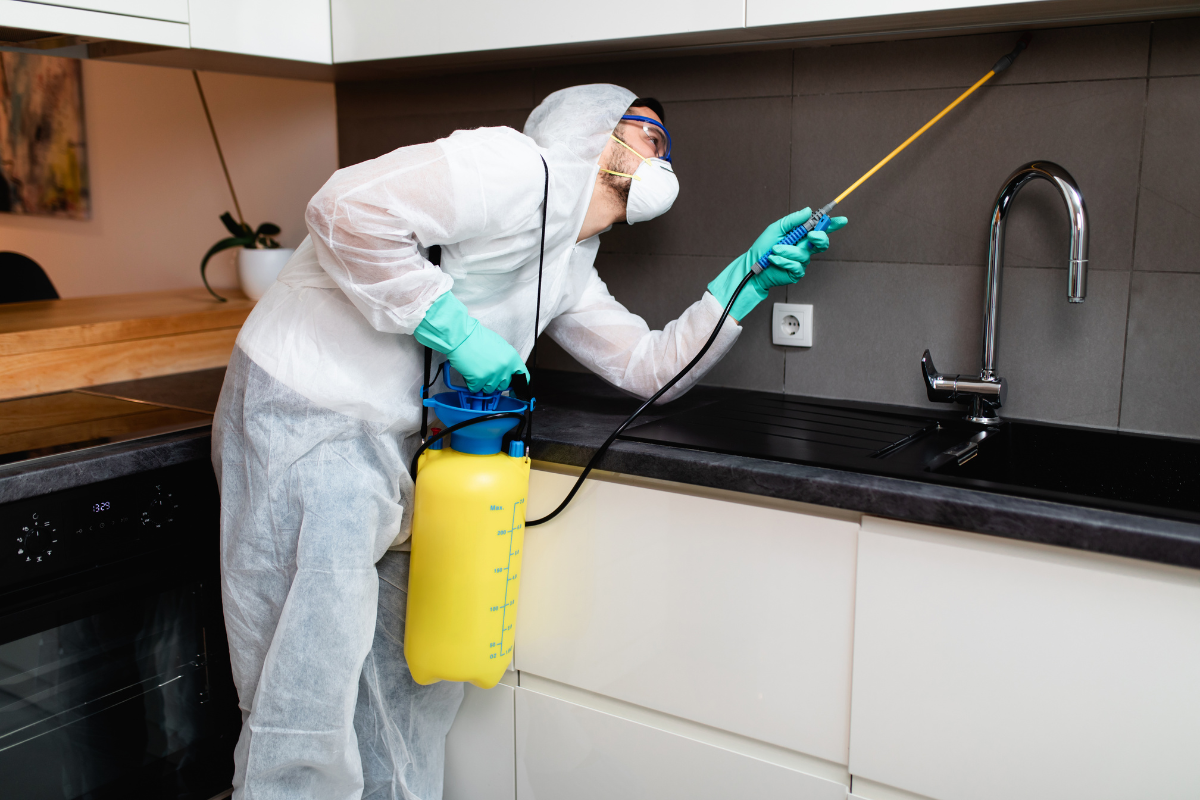
Ants look small until they organize. Then they lift drywall, short out outlets, foul pantries, and deliver stings that stop children from playing on the lawn. When a client calls a pest control company about ants, they usually want two things: fast relief and a plan that keeps the problem from coming back. The best exterminator service treats the immediate swarm and the long game at the same time, moving from inspection to species identification to targeted control, then into prevention and monitoring. What follows is how experienced professionals actually approach ant infestations, the judgment calls we make on-site, and what separates a quick spray from a lasting solution.
What counts as an ant problem
Not every ant is a problem. You can have a few foragers in spring without needing a pest control service. Trouble starts when you see lines of workers trailing day after day, winged swarmers indoors, fine piles of sawdust-like frass near trim, rustling inside walls, or soil mounds that keep reappearing after weekend efforts with boiling water or soap. Kitchens, bathrooms, garages, and landscaping beds bridge indoor and outdoor colonies. In older neighborhoods with mature trees, you often get carpenter ants. In newer developments with irrigation and mulch, odorous house ants and pavement ants dominate. Down south and in arid regions, fire ants need no introduction.
Clients sometimes tell me they have “sugar ants.” That label can cover odorous house ants, Argentine ants, or several other species, each with different habits and control tactics. Precision matters. Using a single method across the board wastes time and can split a colony, which makes the problem worse.
The inspection that reveals the real problem
Experienced technicians do not start with a sprayer. We start with our eyes, ears, and a flashlight. The first loop through a property takes 20 to 45 minutes for a typical single-family home, longer for multifamily or commercial sites. We follow the ants. That might mean lying on a kitchen floor to watch a trail disappear into a hairline crack, or pulling off outlet covers to check whether workers are moving through conduit chases.
Outside, we walk the foundation, fence lines, and irrigated beds. Patio slabs, expansion joints, and landscape edging create dependable highways. We probe mulch, turn stones, and gently disturb soil to spot brood. A rule of thumb that surprises people: colonies often sit 10 to 30 feet from a home entry point, not right at the wall. Air conditioner lines, downspouts, and vine-covered trellises provide ladders into soffits and attics.
Indoors, we target moisture first. Under-sink cabinets, dishwasher bays, refrigerator drip pans, and windows with failed seals draw ants that prefer humid microclimates. Carpenter ants leave frass in the form of coarse sawdust with insect parts mixed in. Odorous house ants prefer tight gaps near heat sources and will nest in printer bays, computer towers, and behind baseboards.
By the time an inspection ends, a good exterminator can sketch a map: species likely present, nesting zones, food sources, trails, and structural conditions supporting the infestation. That map drives the treatment plan.
Why species identification changes everything
Ants look superficially alike to a homeowner. To a pest control contractor, waist segments, node shape, antennae, and sting apparatus dictate strategy. Here are the common species we see in residential service and the practical implications of each:
- Odorous house ant: Small, fast, earthy smell when crushed. Eats sugars and proteins. Forms large, polydomous colonies that move frequently. Repellent sprays scatter them and can trigger budding. Baits with the right carbohydrate profile and lower-odorous actives work best, paired with tight perimeter sealing. Pavement ant: Small, slow, makes soil mounds along cracks. Responds well to granular baits and perimeter treatments. Colonies are more centralized than odorous house ants, so exterior control is efficient. Carpenter ant: Larger, segments evident, often active at night. Excavates wood rather than eating it. Requires targeted dusts and foams into galleries, along with trimming branches and correcting moisture problems. Sweet baits can help, but without addressing satellite nests in walls, returns are likely. Argentine ant: Forms massive supercolonies. Dislikes protein-only diets for long, swings seasonally. Often defeats casual treatment because of colony size. Broad baiting strategies with rotation of actives are essential, combined with strict vegetation management. Fire ant: Red-brown, aggressive, visible mounds. Outdoor management with broadcast baits and mound drenches, careful around pets and children. Indoor sightings are usually incidental unless slabs are compromised.
Technicians use hand lenses, smartphone macro photos, and experience with local fauna. If identification is ambiguous, we choose tactics that avoid colony fragmentation, then refine at the follow-up when feeding preferences emerge.
Immediate relief without sabotaging the cure
A homeowner with ants across the kitchen wants them gone today. The challenge is that the most gratifying quick fixes are often the ones that blow up a colony. Strong repellent sprays can kill exposed workers and break trails, but they also push stress signals through the colony and prompt budding. You end up with more nests and a larger problem.
The middle path is precision. We spot-treat where necessary to protect sensitive spaces, then establish a baiting program that does the heavy lifting. In practice, that means a restrained crack-and-crevice application under toe-kicks, behind appliances, and into wall voids, while preserving trails that lead to bait placements. You want ants to keep moving, carrying active ingredient back to brood and queens. When clients call an exterminator company that rushes to fog or broadly spray interiors, they often call again two weeks later when ants return twice as determined.
Baiting: the quiet engine of ant control
The backbone of most ant control is bait. Choosing the right bait, in the right form, with the right active ingredient, at the right time, is the difference between one visit and three.
Carbohydrate gels or liquids appeal during spring and after rains when colonies are building and brood needs sugars. Protein or grease baits hit harder during warm months and during reproduction phases when queens need more amino acids. In cool weather, ants slow down, so we place baits on sun-warmed sides of structures where activity remains higher.
Active ingredients vary in speed and mode of action. Slower actives that disrupt energy or growth pathways allow thorough distribution to larvae and queens before symptoms cause bait aversion. Faster stomach poisons work in tight perimeter applications where foragers turn over quickly. We rotate actives across visits to avoid behavioral resistance, especially with Argentine ants, which are notorious for ignoring a bait after a day or two if another food source is richer.
Bait placement reads like a scavenger hunt. We place pea-sized amounts along active trails, tucked into protected corners, under sink lips, and at entry cracks. Outside, we anchor baits under landscape stones, near irrigation heads that attract foragers, and at the base of downspouts. Less is often more; fresh, small placements encourage feeding and reduce contamination by dust or rain. If a client cleans counters with ammonia minutes after we bait, the odors can repel feeding. Clear communication matters as much as chemistry.
When dusts, foams, and microencapsulated sprays make sense
Not all ant problems yield to baits alone. Carpenter ant galleries inside wall voids need insecticidal dusts that flow into cavities and cling to surfaces, ideally applied through existing gaps or drilled pinholes that we seal after treatment. Foams expand into voids where dusts fall short, helpful around window headers, door frames, and plumbing penetrations. We use low-odor, low-repellency formulations to keep behavior natural enough for transfer.
Exterior microencapsulated sprays earn their keep along foundation transitions, wall penetrations, and fence lines. They set a treated zone that foragers cross on their way to baits, picking up microcapsules that rub off onto nest mates. The key is restraint and precision. Spraying every vertical surface confuses trails and reduces bait uptake.
For fire ants, mound drenches penetrate tunnels when broadcast baits are too slow and the client faces immediate risk, for example, a daycare yard. On commercial lots with heavy activity, we may combine a broadcast bait early in the season with spot mound treatments after rains when colonies expand.
Structural and landscape fixes that stop reinvasion
Chemistry solves this month’s ants. Structure and site changes reduce next year’s. A skilled pest control service spends time on the boring details because they move the needle. Gaps under exterior doors, torn window screens, and loose weep hole covers welcome ants and everything that follows them. We recommend door sweeps that actually touch the threshold, silicone seals at utility penetrations, and stainless weep hole covers that maintain ventilation while cutting off freeways.
Vegetation management achieves more than many sprays. Shrubs and vines touching siding or rooflines give ants bridges past treated zones. Trimming vegetation back 12 to 18 inches opens airflow, dries surfaces, and forces ants onto the ground where we can intercept them. Mulch piled above the foundation line hides trails and keeps soil moist. We advise a visible two to three inches of foundation and a mulch depth of two inches rather than four. Gravel against the foundation can help in arid climates, but can overheat soil in hot regions, pushing ants under slabs.
Moisture control keeps carpenter ants and odorous house ants from moving in. Fix plumbing drips, improve bathroom ventilation, and clear gutters. In crawl spaces, we look for torn vapor barriers and wet soil. An exterminator service that documents these conditions with photos builds trust and improves outcomes, even if the fixes require a different contractor.
Inside the service visit: what clients should expect
A professional pest control company works to a rhythm that balances speed, thoroughness, and safety. After the inspection and plan review, we prep the area. That might mean asking the client to clear lower cabinets, remove pet bowls, or temporarily relocate children. We place baits first, then apply targeted dusts or foams, and finally set exterior perimeters while trails remain active. We label and date bait placements for follow-ups. Technicians document products used, amounts, and locations, both to comply with regulations and to support the next visit if adjustments are needed.
The initial service can take 60 to 90 minutes for a standard home. Heavier carpenter ant work stretches to two to three hours, especially when ladder work and void treatments are involved. We schedule follow-ups at 10 to 14 days for trail-based species, sooner if we used baits heavily and want to refresh. For fire ants, we often plan seasonal revisits to catch reinvasion after rains.
Safety sits at the center of every step. We choose baits and formulations with profiles appropriate to the home. In a daycare, we avoid liquids inside and stick to bait stations and sealed void applications. With food businesses, we coordinate with managers to protect prep areas and comply with audits. A reputable exterminator company will explain these choices plainly, not hide behind jargon.
When DIY stalls and when it succeeds
Plenty of homeowners succeed with over-the-counter baits and a weekend of sealing and trimming. If you can identify odorous house ants early, store-bought sugar baits placed along trails can knock activity down within a week. Where DIY often stalls is consistency and species mismatch. Using a protein bait when ants crave sweets leads to empty stations and frustration. Hosing a foundation with a strong repellent spray interrupts trails just long enough to believe you won, then the colony reappears behind your dishwasher.
A rule of thumb we share: if you see winged ants indoors, if activity continues after two weeks of correct baiting, or if you find frass or hollow-sounding wood, call a pest control contractor. Structural concerns and large polydomous colonies benefit from the tools and experience that come with professional service.
The economics of ant control
Prices vary by region and company, but the structure is consistent. A one-time ant service for a typical home often falls in the 150 to 350 dollar range. Carpenter ant jobs with ladder work and void treatments can run 300 to 700 dollars, depending https://daltonrfel802.iamarrows.com/the-ultimate-guide-to-eco-friendly-pest-control-solutions-1 on access and the number of sites involved. Fire ant yard treatments are typically priced by area, with small yards around 100 to 200 dollars for broadcast bait and spot mounds, and larger parcels costing more.
Maintenance plans spread risk and cost. Quarterly service with exterior perimeter treatments and interior calls as needed usually sits between 300 and 600 dollars per year for a single-family home. For properties in Argentine ant territory, monthly exterior services during peak season may be warranted. Reputable providers spell out what’s covered and what triggers an extra charge, especially for carpenter ants or major landscaping changes that void exclusion work.
What separates a good provider from a quick spray
Clients call three kinds of companies: a general pest control company with broad residential routes, a specialized exterminator company that focuses on complex infestations, or a solo pest control contractor working locally with a tight service area. Each can solve ant problems. The difference lies in process, transparency, and follow-through.
Look for a provider who does not promise one-and-done for species known to be stubborn, who explains the trade-offs between immediate knockdown and colony-level control, and who asks to schedule a follow-up before they leave. They should vary products based on feeding behavior, not spray the same label at every house. Strong providers carry non-repellent actives, multiple bait profiles, dusts and foams for voids, and the hand tools to access them. They also carry a caulk gun and will spend the last ten minutes sealing a pipe gap rather than spraying it for the tenth time.
A quick anecdote illustrates the point. A bakery we service had odorous house ants running on ceiling conduit straight to the proofing line. Two other companies had sprayed the baseboards and changed nothing. We traced the trail along the conduit, placed carbohydrate baits above the drop ceiling, sealed two conduit penetrations with intumescent caulk, and set a non-repellent perimeter on the building’s warm south side where activity was highest. By morning, the baits were empty. Activity dropped 80 percent in three days and cleared fully in nine. Total product used was modest. The win came from following ants where they were, not where it was convenient to spray.
Seasonal timing and how weather shifts the plan
Ant behavior flexes with weather. A heavy rain flushes colonies and increases foraging along foundations for a day or two. Hot, dry stretches push activity into irrigated zones and down into slab edges. Cold snaps slow movement and make baits seem less attractive, so we adjust placement to sun-exposed sides and use attractants that hold interest. During swarming periods, winged ants indoors do not always mean a new colony in your wall. Sometimes they rode in on firewood or emerged from a satellite nest that will die off. Species identification again guides whether to panic or to monitor.
In regions with winter freezes, the best time to establish an exterior perimeter and bait program is early spring when colonies ramp up and before they establish multiple satellite nests. In mild climates where ants forage year-round, consistent exterior service through summer and fall prevents the late-season surge that often drives kitchen complaints.
Communication that keeps the plan on track
Baiting fails if cleaners wipe it up. Perimeter treatments break down if sprinklers run hard for hours right after application. Pets, especially curious cats, will investigate anything new at floor level. A good pest control service builds communication into the visit: where baits are placed, what products were used, what to avoid for 24 to 48 hours, and what changes would help. We leave simple maps or photos and ask for observations. Clients who text a photo of renewed activity or bait refusal give us the data to pivot quickly.
There is also a myth that more product means better results. The opposite is often true. We aim for the least amount that achieves thorough control, applied precisely. Overapplication risks repellency and resistance. We watch ant behavior before and after treatment. When they slow, start to act erratically, or abandon a food source, we adjust. Ants tell you what is working, if you’re patient enough to listen.
What a strong long-term plan looks like
Effective ant control is not a mystery. It is a sequence repeated with care:
- Inspect carefully, then identify the species and map trails and nest zones. Choose tactics that prioritize colony elimination over visible knockdown. Combine baits with targeted void treatments and precise, non-repellent perimeters. Fix structural and landscape conditions that keep feeding the problem. Follow up to confirm transfer and adjust based on feeding behavior.
Done well, that sequence brings homes from daily sightings to the occasional stray scout that never becomes a trail. For commercial accounts, it turns audits from stress to routine. The work is part science, part craft. A dependable exterminator service brings both, along with a willingness to crawl under sinks, climb into attics, and sit quietly for a minute, watching where the ants go before deciding what to do next.
A brief word on products and safety
Clients often ask if modern products are safe. The answer sits in nuance. Most professional baits and non-repellent sprays used by a licensed pest control company have low application rates and are designed for targeted, crack-and-crevice use. When we place a gel bait the size of a pea into a hinge recess, the exposure is tiny, and the benefit of eliminating a colony that would repeatedly contaminate food-prep areas is real. Labels exist for a reason. We follow them, ventilate where necessary, and avoid broadcast interior applications unless there is a compelling, species-specific reason. If someone in the home has chemical sensitivities, tell your technician. We can adjust products and placements to accommodate.
Final thoughts from the field
Ants reward discipline. They punish shortcuts. Over time, the homes and businesses that stay ant-free share three traits. They invest once in exclusion and vegetation management. They partner with a pest control contractor who treats baits as tools, not as an afterthought. And they communicate, so small sightings become data points, not emergencies.
For anyone choosing a provider, ask how they identify species, what their bait rotation looks like, and how they pair treatment with structural recommendations. A strong answer will sound grounded and practical, with examples, not marketing fluff. That is the mark of a pest control company that will earn its keep when the next rainy week brings ants back to the edge of your door, looking for a way inside.
Clements Pest Control Services Inc
Address: 8600 Commodity Cir Suite 159, Orlando, FL 32819
Phone: (407) 277-7378
Website: https://www.clementspestcontrol.com/central-florida